

Hartford International University Hosts Second Annual Ghadeer Conference
June 23, 2026
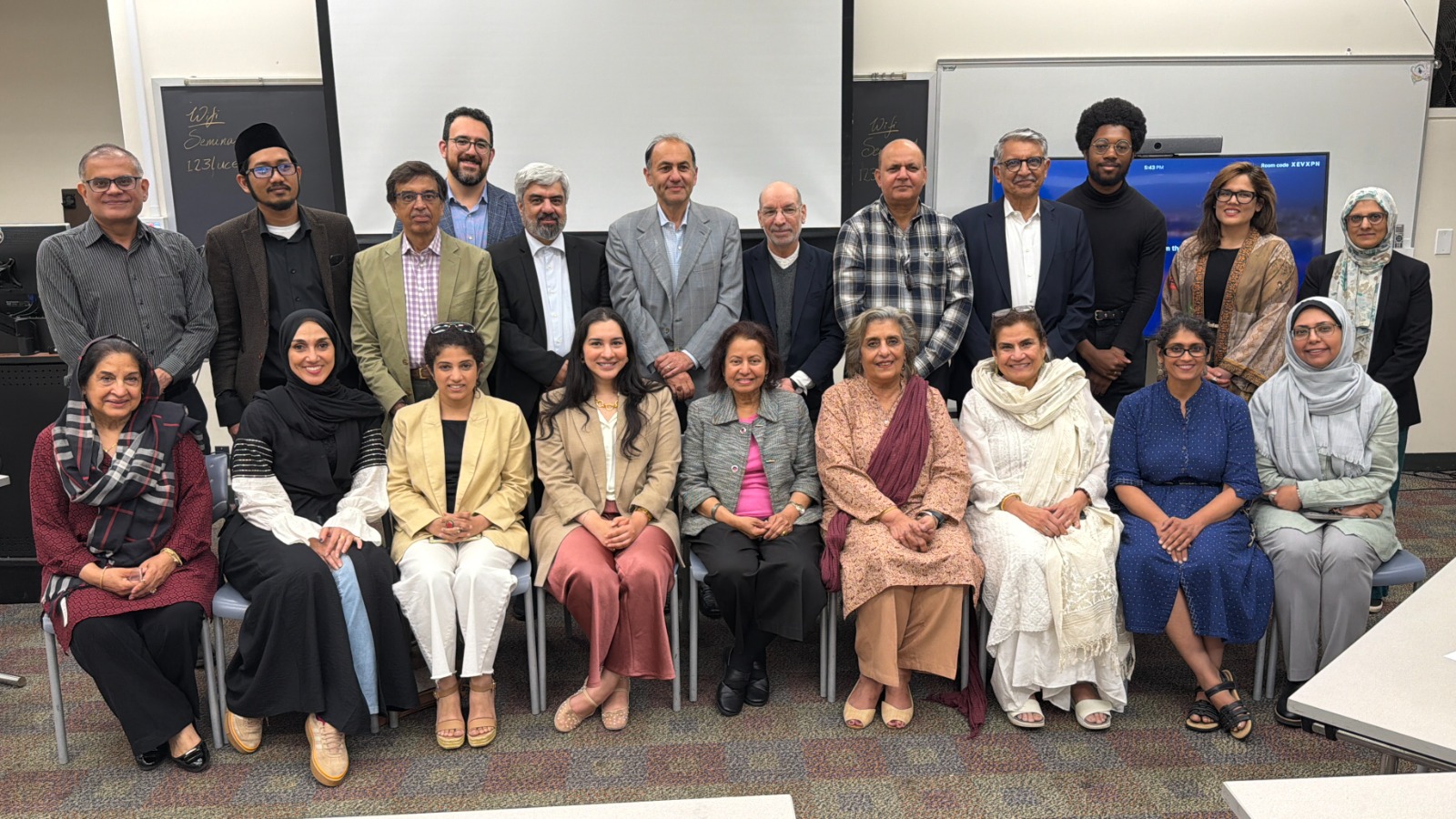
Hartford International University for Religion and Peace, in collaboration with the Imam Ali Research Center, convened its second annual Ghadeer Conference on June 4 and 5, marking a significant expansion of its commitment to Shi‘a studies in North America.
The two-day gathering brought together leading scholars, community leaders, and members of the public to celebrate the legacy of Imam Ali ibn Abi Talib while advancing academic discourse on Shi‘i intellectual heritage. This year's conference focused on the theme “Genealogies of Shi‘i Tradition,” with a special academic focus titled “From Hilla to Hyderabad, 1258–1335,” exploring the historical, intellectual, and scholarly foundations of the Shia tradition during a transformative period of Islamic history.
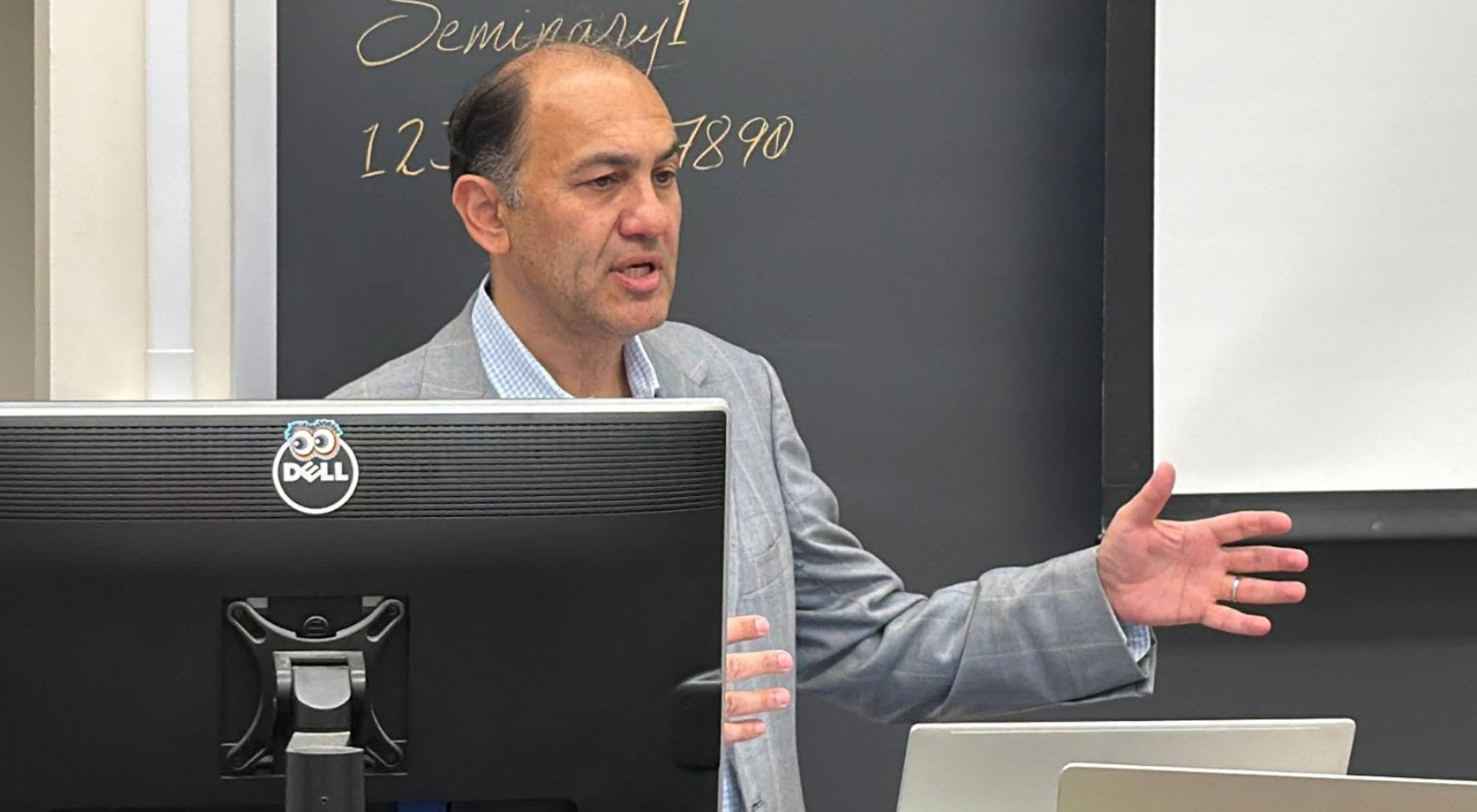
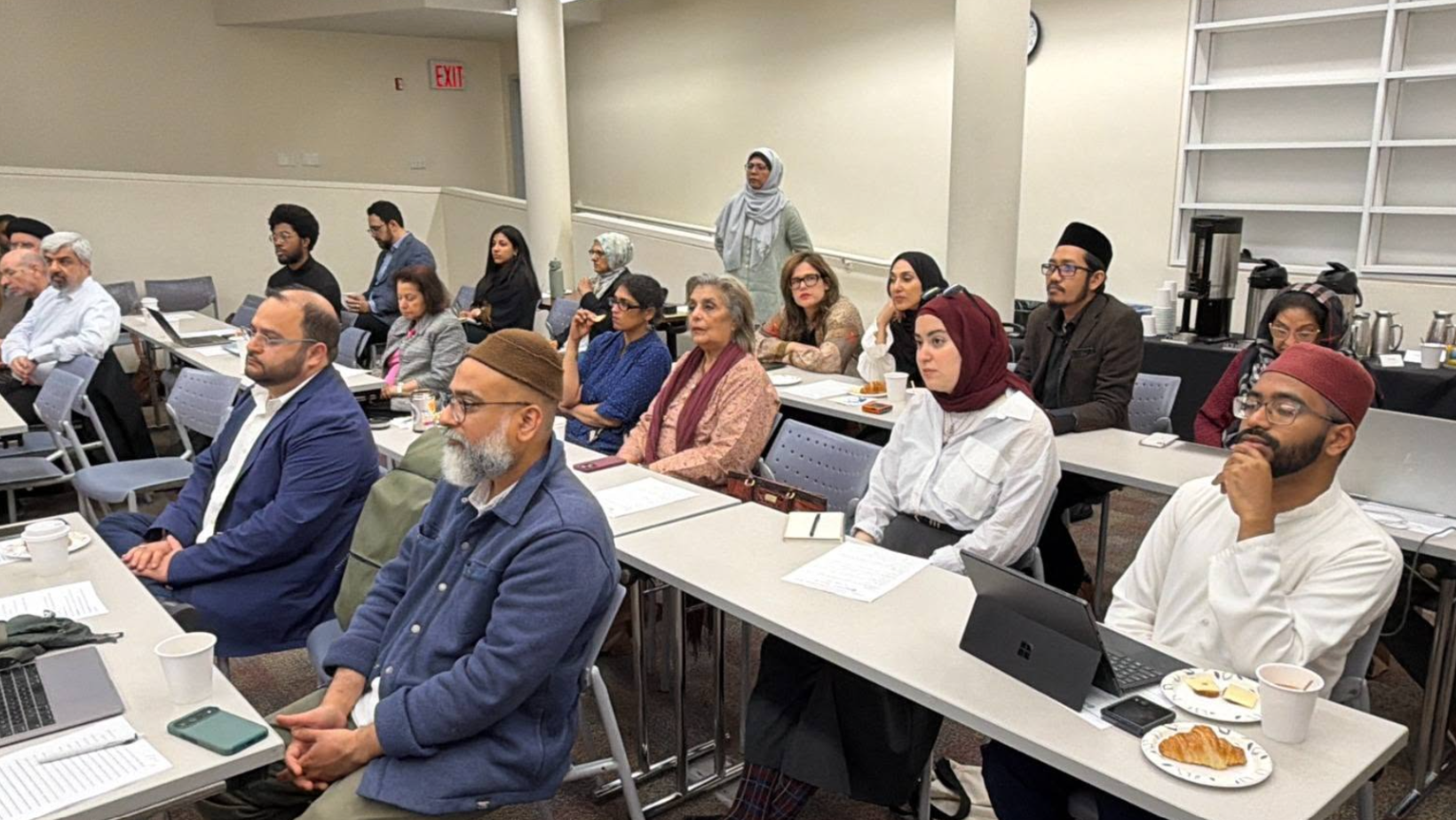
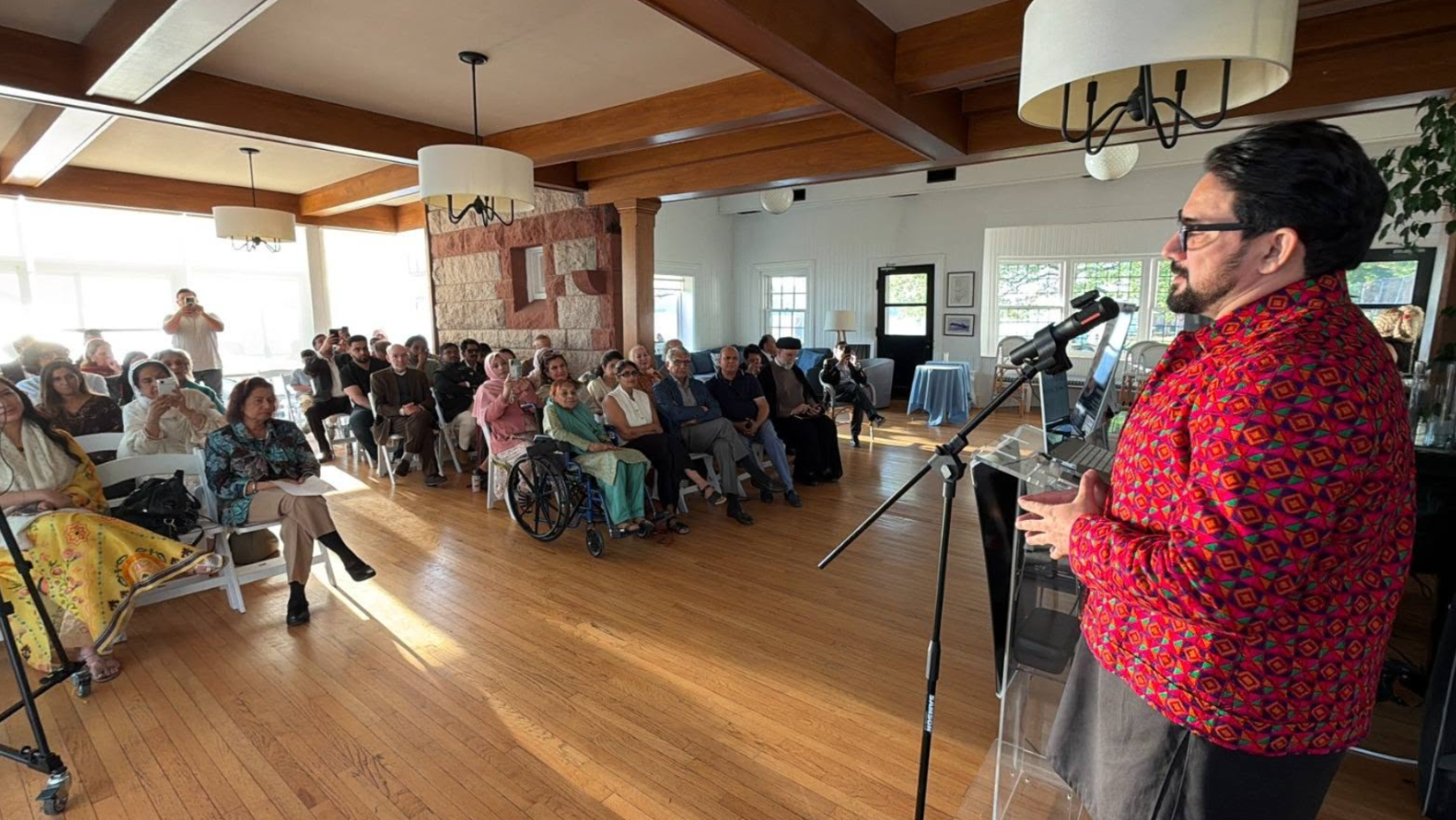
The conference opened on Thursday evening at the Riverdale Yacht Club in the Bronx, featuring a keynote address and community dinner. The academic proceedings continued on Friday at Union Theological Seminary in New York City, where scholars delivered presentations examining the complex transformations that reshaped religious authority, communal belonging, and intellectual expression following the Mongol conquests.
Professor Asma Afsaruddin of Indiana University Bloomington delivered the keynote lecture, examining Sunni and Shi‘i scholarly discourses during the 13th and 14th centuries. Her presentation explored how Shia communities in Iraq and Iran found greater space to organize scholarly life after the decline of the Abbasid caliphate, highlighting cities such as Hilla that became major centers of Shia jurisprudence and theology.
Dr. Noor Zehra Zaidi, Inaugural Fellow of the Imam Ali Research Center and Assistant Professor at the University of Maryland, organized the conference and welcomed attendees, describing Eid-e-Ghadeer as a meaningful occasion to honor Imam Ali, whose legacy continues to shape religious thought, ethical reflection, political discourse, and cultural life across the world.
Dr. Mehdi Kazmi, founder of the Imam Ali Research Center, spoke about the spiritual and civilizational significance of Eid-e-Ghadeer, describing the day as rooted in loyalty, knowledge, justice, courage, and moral refinement. He emphasized that the center was created to study, preserve, and present the Shia Imami tradition with academic seriousness, clarity, dignity, and confidence, noting that Shia scholarship remains underserved in the United States.
Other distinguished speakers included Professor Sajjad Rizvi of the University of Exeter, Dr. Hadi Jorati of the University of Massachusetts Amherst, Professor Tahira Naqvi of New York University, and Dr. Jawad Qureshi, who will join HIU's top scholars on July 1, 2026, of Zaytuna College. Their presentations examined the period from 1258 to 1335, focusing on how Twelver Shiism developed through scholarly production and changing institutional settings, with figures such as Naṣīr al-Dīn al-Ṭūsī (d. 1274), Ibn Muṭahhar al-Ḥillī (d. 1325), and Seyed Ḥeydar Āmolī (ca. 1396) exemplifying the intellectual dynamism of the era.
The conference reflected the Imam Ali Research Center’s broader mission: to build bridges between academy and community, inherited devotion and critical scholarship, memory and future possibilities. Speakers repeatedly emphasized that the legacy of Imam Ali is not only a legacy of devotion, but also of knowledge, justice, courage, humility, and service.
For more information about the Imam Ali Research Center and future conferences, visit Hartford International University’s website or the Imam Ali Research Center’s page.
Join our mailing list
Keep up with all the latest happenings at Hartford International.