

Islamic Chaplaincy Pathway
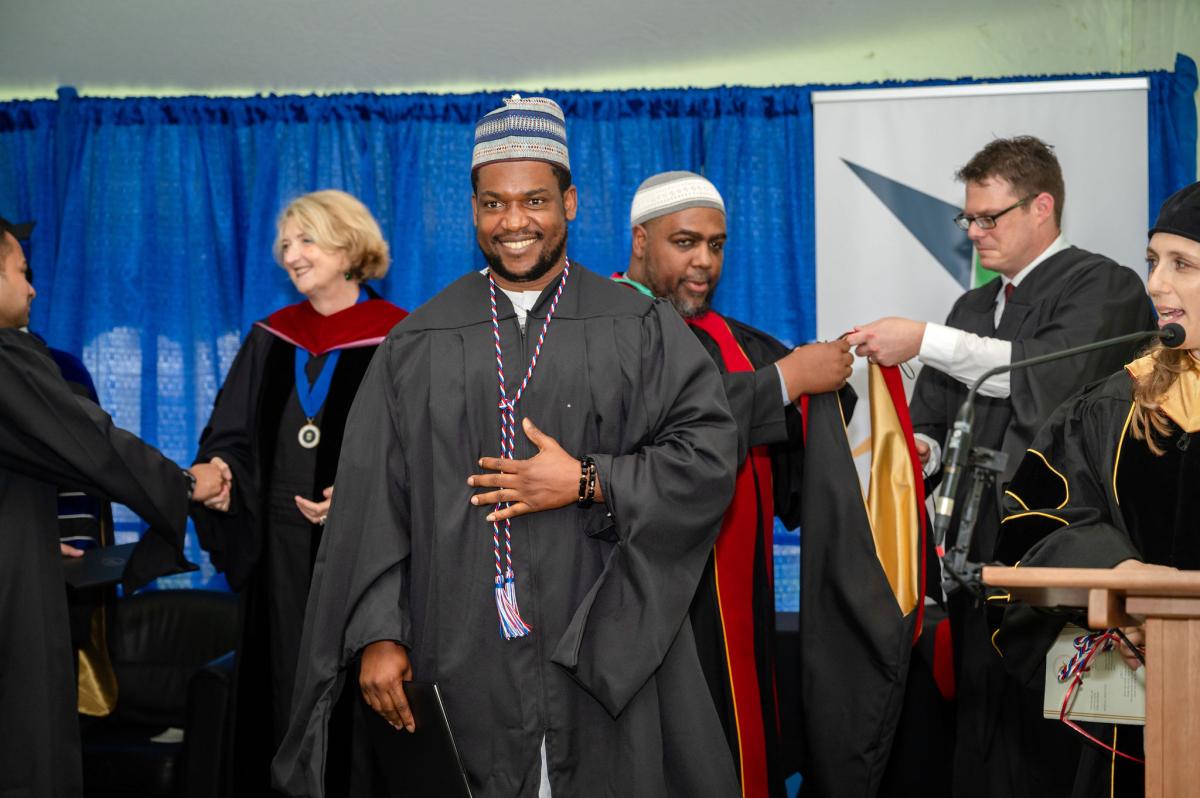
Since 2001, Hartford International’s renowned Islamic Chaplaincy Program has produced professionals who are now leaders in the field of chaplaincy. These chaplains serve in diverse settings in federal prisons, armed services, in private and public hospitals, in higher education, and in community settings.
Twenty years on, the Islamic Chaplaincy Program has once again developed an innovative pathway to the profession of chaplaincy for Muslim students. The new Islamic Chaplaincy curriculum has based its learning outcomes on the Association of Professional Chaplains’ Common Qualifications and Competencies for Professional Chaplains. The core requirements integrate theories with practices of chaplaincy rooted in the Islamic tradition.
Pathways to Islamic Chaplaincy
There are two pathways to professional positions in Islamic Chaplaincy. The choice of the right degree program depends on the academic, Islamic, and professional training and experience with which a student enters Hartford International.
- Applicants who wish to gain both mastery over relevant academic fields and the skills and aptitudes of professional chaplaincy should apply to the 36-credit hour academic Master of Arts in Interreligious Studies (MAIRS) with a specialization in Islamic Studies. Upon completion of this degree, students will continue on to the professional Master of Arts in Chaplaincy (MAC), with a specialization in Islamic Chaplaincy. This pathway is a 72-credit program that combines academic study and practical training. The two degrees may not be done concurrently.
- Applicants with prerequisite knowledge and significant professional practice of chaplaincy who interview successfully with the director of the MAC program and are approved by the Admissions Committee may elect to matriculate directly into the Master of Arts in Chaplaincy (MAC).
-
36-credit M.A. in Interreligious Studies
6 credits- Two Core Interreligious Seminars.
21 credits: Foundational Fields, Beliefs and Practices, Religious Pluralism.
3 credits- Elective.
3 credits- Final project. Language Proficiency in Qur’anic Arabic36-credit M.A. in Chaplaincy
12 credits- Four Core Chaplaincy courses.
15 credits: Muslim Pastoral Theology, and four other Electives.
6 credits- Field Education.
3 credits- Clinical Pastoral Education.<Learning Outcomes
Students who have completed the Islamic Chaplaincy program will:
- Have achieved mastery of the competencies listed in Sections I-IV of the “Common Qualifications and Competencies for Professional Chaplains,” the evidence for this being recorded on the “Competencies Progress-Tracking Worksheet” keyed to the BCCI list.<
- Have demonstrated knowledge of the Association of Professional Chaplains’ fifteen “Standards of Practice for Professional Chaplains.”
- Have command of the Association of Professional Chaplains Code of Ethics, the evidence for this being recorded on the “Code of Ethics Worksheet.”
- Have acquired basic skills in Qur’anic recitation to function successfully as a Muslim Chaplain.
Where Your Journey May Lead
Islamic Chaplaincy Career Paths
Hospitals or Hospices
Colleges or Universities
Private secondary schools
Military
Correctional institutions
Community organizations
Courses you may take
Here is a small sample of courses students in the program take. To view the entire course listing, use the link below.
-
This course is focused on the study of psychological trauma.
-
This course will provide a critical overview of the history and practice of Islamic law.
-
This course introduces students to the Qur'an, and the hadith (words and actions attributed to the Prophet Muhammad himself).
-
This course offers an in-depth introduction to modern Muslim histories from the 16th to the 21st centuries.
The Value of Experience
Mentoring
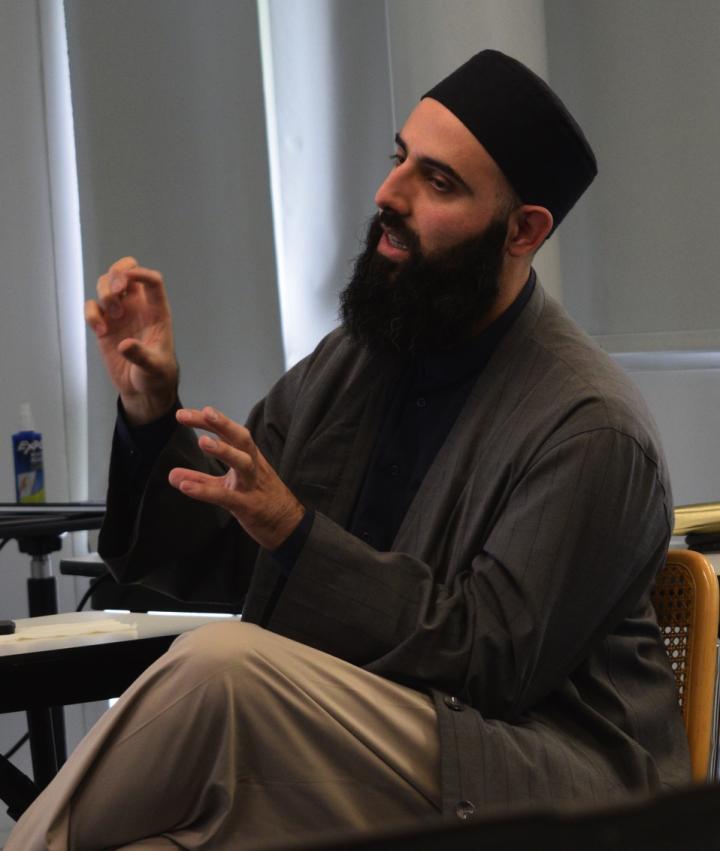
In consultation with the Director of the Islamic Chaplaincy Program, each student’s program will be customized to meet their particular educational needs and professional/vocational objectives within the formal guidelines and criteria established for the Islamic Chaplaincy Program. Depending on the applicant’s previous education, experience, and the applicant’s future goals and intended career path, the applicant may be required to complete both degrees of the Islamic Chaplaincy Program.
Faculty and Staff
Our faculty and staff know the field and have decades of experience both as chaplains and as chaplain educators. You’ll work with dedicated scholars and seasoned chaplains who can help you discern the best setting for your skills and passions.
Alumni
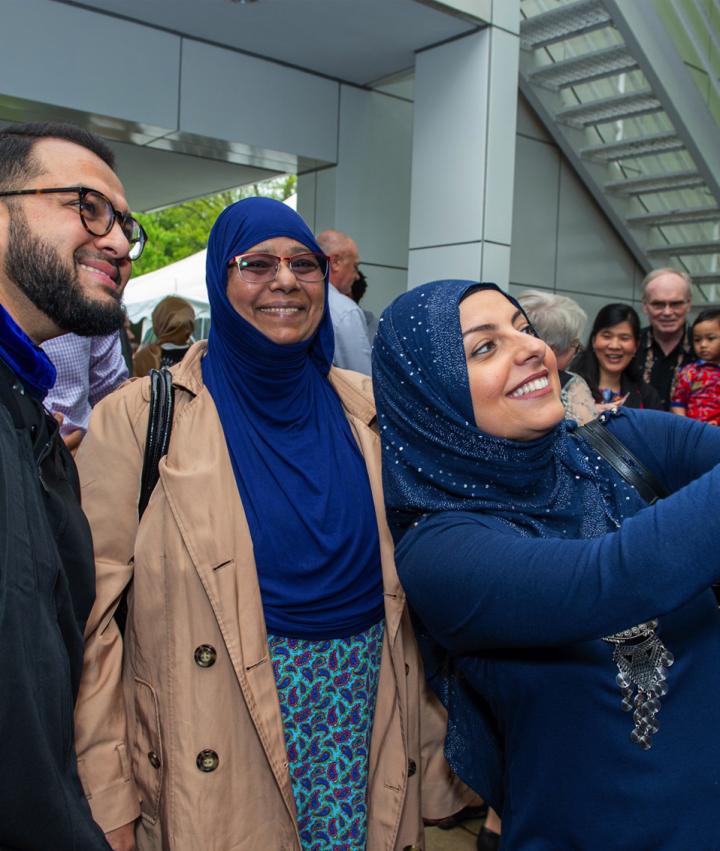
After graduation, you’ll join a robust network of Muslim chaplains who are at the forefront of the profession in every area. The Association of Muslim Chaplains had its origins at Hartford International and continues to lead the way in the field.
Opportunities & Highlights
Meet Our Directors
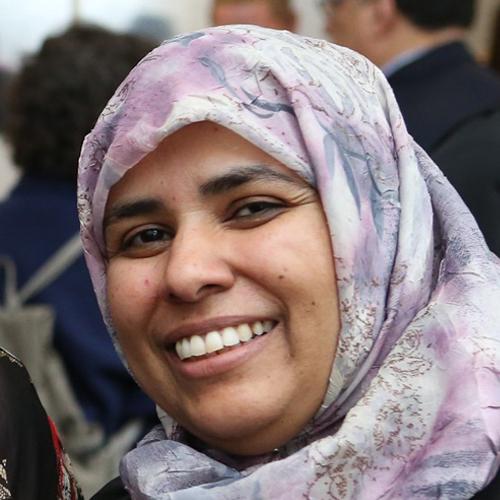
Aida Mansoor
Director of Field Education
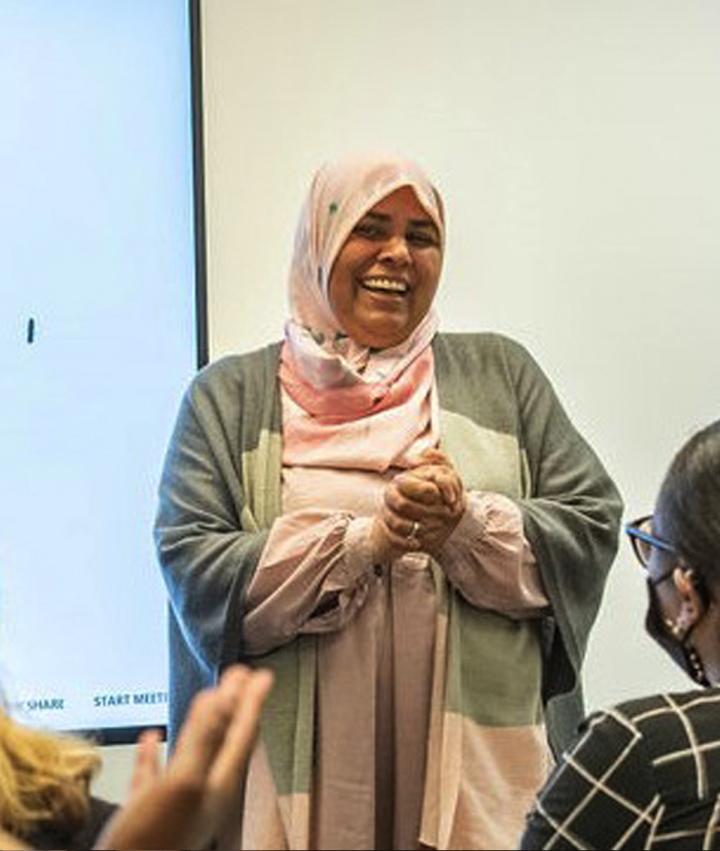
Aida Mansoor is the Director of Field Education at Hartford International. She also serves in the community and works with the Muslim Coalition of Connecticut and the Islamic Association of Greater Hartford.
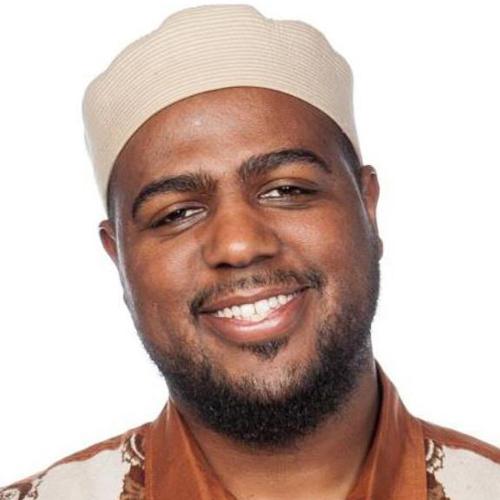
Bilal W. Ansari
Faculty Associate in Muslim Pastoral Theology Co-Director, Islamic Chaplaincy Program
Areas of Study
Arts of Ministry
Contemporary Islamic Ethics
Institutional Leadership
Islamic Law
Muslim Pastoral Theology
Spirituality
Admission and Application Information
Related Blog Posts
Chaplaincy
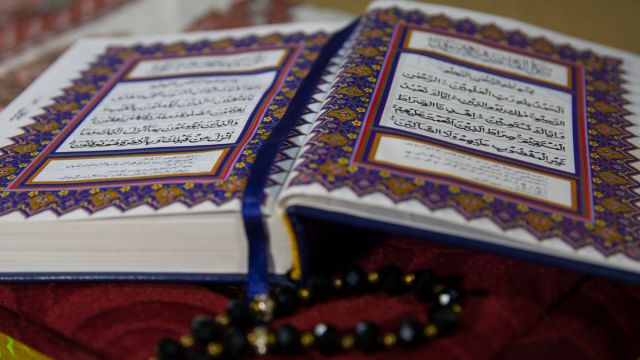
Teaching Islamic Spirituality Through the Lens of Chaplaincy
This semester, I have the privilege of teaching Islamic Spirituality to a group of master’s and doctoral students. As I prepare each class session, I find myself asking a question that has become increasingly important... The post Teaching Islamic Spirituality Through the Lens of Chaplaincy first appeared on Religion & Peace.
Chaplaincy
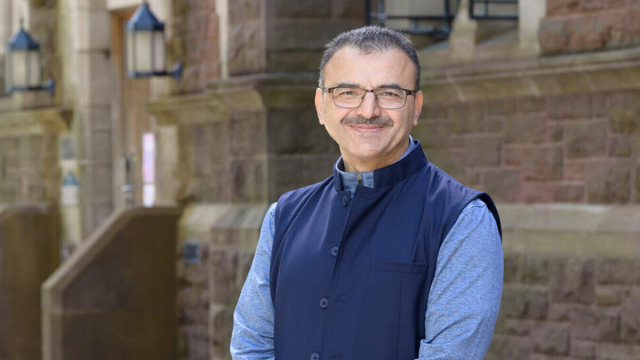
A Day in the Life of a University Chaplain: Standing at the Dawn of Becoming
A reflection on the role of a Muslim university chaplain, exploring the intersections of faith, service, and companionship in supporting students as they navigate the challenges of growth, identity, and belonging. The post A Day in the Life of a University Chaplain: Standing at the Dawn of Becoming first appeared on Religion & Peace.

Chaplaincy
Chaplaincy vs. Counseling: Understanding the Difference — and Why It Matters
Chaplaincy and counseling both provide support and change lives. Learn more about the difference between the two, how they complement one another, and how HIU’s MA in Chaplaincy (MAC) program prepares chaplains to offer holistic care. The post Chaplaincy vs. Counseling: Understanding the Difference — and Why It Matters first appeared on Religion & Peace.
Take the Next Step
Broaden your perspective. Deepen your ability to make a difference. Hartford International University programs prepare religious leaders and peacemakers who go beyond their own beliefs to embrace people of all faiths.
General HIU News
Two HIRR Members Join U.S. Religion Census Steering Committee
October 22, 2026
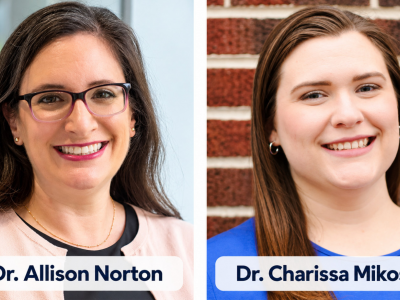
Dr. Charissa Mikoski, Assistant Professor of Research, and Dr. Allison Norton, Director of the Hartford Institute for Religion Research, are participating in the steering committee for the U.S. Religion Census (USRC). The USRC is the most comprehensive effort to document religious life in every U.S. county.
Faculty In The News
Dr. Amy-Jill Levine Discusses Leading the Catholic Biblical Association on Connecticut Public
October 13, 2026
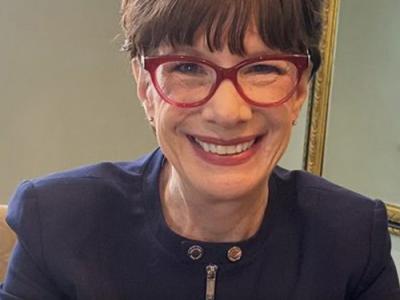
Dr. Amy-Jill Levine, HIU’s Rabbi Stanley M. Kessler Distinguished Professor of New Testament and Jewish Studies, is serving as president of the Catholic Biblical Association (CBA) of America, an organization dedicated to promoting biblical scholarship and research. She is the first Jewish person to hold the position.
Student News
Peacebuilding Students Gain Firsthand Insight into Mediation at Pakistan's Embassy
October 8, 2026
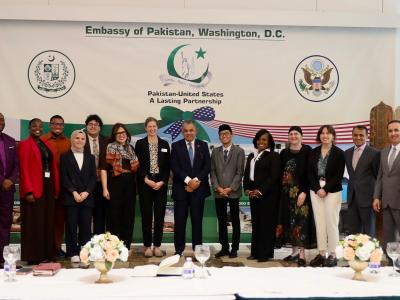
On Thursday, October 1, students from the Master of Arts in International Peacebuilding (MAP) program visited the Embassy of Pakistan in Washington, D.C., for a firsthand look at how diplomacy and mediation work in practice.
Join our mailing list
Keep up with all the latest happenings at Hartford International.